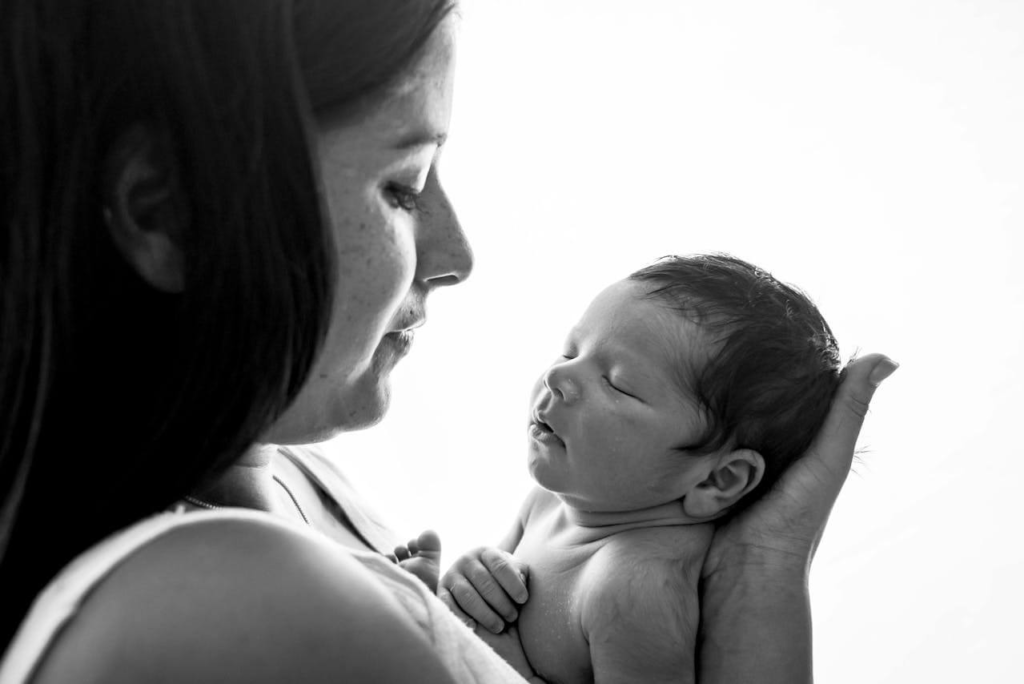
One thing many new moms don’t expect is the constant fear of something bad could happen to their baby. You might be in the most peaceful place with loved ones and still feel gripping dread. You find yourself checking your baby’s chest for movement repeatedly because you can’t stop the overthinking. You might replay worst-case scenarios in your head even when nothing is wrong.
If this sounds familiar, know this first: that this feeling has nothing to do with your character or your capability as a mother. But there’s a difference between normal protectiveness and postpartum anxiety. Understanding the difference matters.
Why Am I Always Scared Something Bad Is Going to Happen to My Baby?
This constant fear postpartum happens because your body undergoes a massive chemical shift after you give birth, and your brain therefore shifts into protection mode. Hormones change rapidly, sleep becomes broken, and your nervous system stays more alert than usual.
At the same time, the part of your brain responsible for monitoring safety becomes more active. That heightened awareness is meant to help you respond quickly to your baby’s needs.
However, sometimes that protective instinct becomes overactive. Instead of alerting you to real problems, it starts reacting to imagined ones. Your brain starts treating those “what if” scenarios in your head like they immediate threats.
Further, when you add exhaustion to the mix, your ability to reason through those fears becomes weaker. The truth is that fatigue reduces your mental flexibility and this makes anxious thoughts or the more convincing and harder to dismiss.
This is when normal protectiveness can start to feel overwhelming.
Nighttime Anxiety
During the day, you have distractions. You have conversations, chores, appointments, background noise and many other external demands to keep you occupied.
When the sun goes down, suddenly it gets quiet. The silence gives anxious thoughts more room to grow and therefore you are unable to sleep.
Severe lack of sleep can impair the brain’s ability to regulate emotions and think clearly. Research on sleep loss shows it affects cognitive processing, emotional control, and decision-making.
What this means is that when you are sleep deprived, the emotional part of your brain stays active while your logical thinking stays down. As a result, small sounds feel louder and normal uncertainty feels dangerous. This is why you may feel the need to check the baby monitor repeatedly or obsess over the nursery temperature, breathing patterns or sleeping positions of the baby in the crib more than normal.
In many cases, this nighttime anxiety is a combination of fatigue and overactive stress response, not evidence of a problem. Your brain is having a hard time calming fear signals.
When your thoughts spiral like this, small grounding techniques help. If you want a structured way to calm your nervous system in just a few minutes, try this 5 Minute Anxiety Reset designed for moments exactly like this.
Being Hungry or Exhausted Makes the Fear Louder
Your physical state has a direct impact on how intense your stress levels feel. When you go hours without a real meal, your blood sugar drops. This low fuel state makes your brain default to alert mode. This is because it lacks the energy to stay calm and rational.
The same is true for sleep deprivation. A tired nervous system reacts faster and recovers slower.
This why normal tasks can feel overwhelming and small, ordinary stressors like a pile of laundry can suddenly feel like you are failing. Your brain therefore defaults to panic because staying steady takes more effort than what your body has.
Eating regularly and protecting even small pockets of rest will not eliminate anxiety entirely, but can help you regain control of your focus by making your nervous system less reactive.
When Does This Become Postpartum Anxiety?
Protectiveness is normal, but constant intrusive fear that does not settle is not.
Here are some telltale signs that you may be suffering from Postpartum Anxiety.
- Your heart races even when you’re resting.
- Small sounds like a floorboard creaking startle you.
- Persistent chest tightness or shallow breathing.
- You check your baby repeatedly even after confirming they are safe.
- Restlessness prevents you from relaxing even when the baby is asleep or even when someone else is watching the baby.
- Isolation occurs gradually as you struggle to trust others with your baby or even yourself.
- The fear feels uncontrollable and interferes with daily life.
If you notice that the symptoms don’t ease and continue beyond the early adjustment period or begin affecting your sleep, relationships, appetite, daily life and you feel a heaviness you can’ shake, it is important to speak to a healthcare provider.
For a deeper look at symptoms and diagnosis, read the postpartum anxiety symptoms in our main guide.
The Difference Between a Gut Feeling and Anxiety
Many mothers worry that they are ignoring intuition. But here is the difference.
Anxiety is repetitive and urgent. It escalates quickly and creates physical tension through a series of bad scenarios that have no clear end even after you check on your baby to confirm safety.
On the other hand, gut feeling is calm and specific. It points to one clear action that needs attention. For example, you might feel a sudden urge to adjust the nursery temperature. Once you do that, the feeling settles. You feel relief because you addressed a real need and you go on about your day.
If the fear returns immediately and demands repeated checking, that is usually anxiety, not intuition.
How to Calm the Constant Fear for My Baby?
The first step is regulating your body before trying to reason with your thoughts.
Grounding techniques, focusing on what you see or touch can help shift your brain from imagined danger by bringing your focus back to your immediate surroundings.
If you need something structured and simple, download the 5 Minute Anxiety Reset. It walks you through practical steps to calm your nervous system quickly, even when you are exhausted.
In addition, you should also
- Eat consistently
- Hydrate
- Work on resting, even for short periods
- Share nighttime responsibilities when possible
These basics reduce the intensity of the stress response so your brain does not stay stuck in emergency mode.
Getting Your Partner on the Same Page
It can feel isolating when you are the only one awake monitoring every sound.
Many first-time moms on occasion report feeling overwhelmed with motherhood even with a great support system. Now, in this case, your partner may not fully understand the intensity of the fear unless you explain it clearly. Be direct and let them know this is not overreacting. That it is your nervous system that is temporarily on high alert.
Giving them specific tasks, such as handling the nighttime safety checks or monitoring the baby monitor for a set period, can help your brain step down from constant vigilance.
Shared responsibility lowers the mental load.
When to Get Professional Support
Schedule an appointment with a professional if fear dominates your thoughts on most days, prevents you from resting, or makes it difficult to enjoy your baby.
Postpartum anxiety is treatable and early support often leads to faster improvement.
You do have to wait until you feel completely overwhelmed. If somethings feels off, that is enough reason to seek help.
FAQ
1. Why am I constantly scared something will happen to my baby?
This is a common postpartum anxiety symptom caused by hormonal shifts, sleep deprivation, and overactive protective instinct. Your nervous system is on high alert whilst it adjusts to the new responsibility.
2. How to tell the difference between normal worry an postpartum anxiety?
Normal worry eases with reassurance or rest. Postpartum anxiety on the other hand is persistent, physically intense and may interfere with daily life. Signs include racing heart, chest tightness, tremors, and intrusive thoughts that don’t go away.