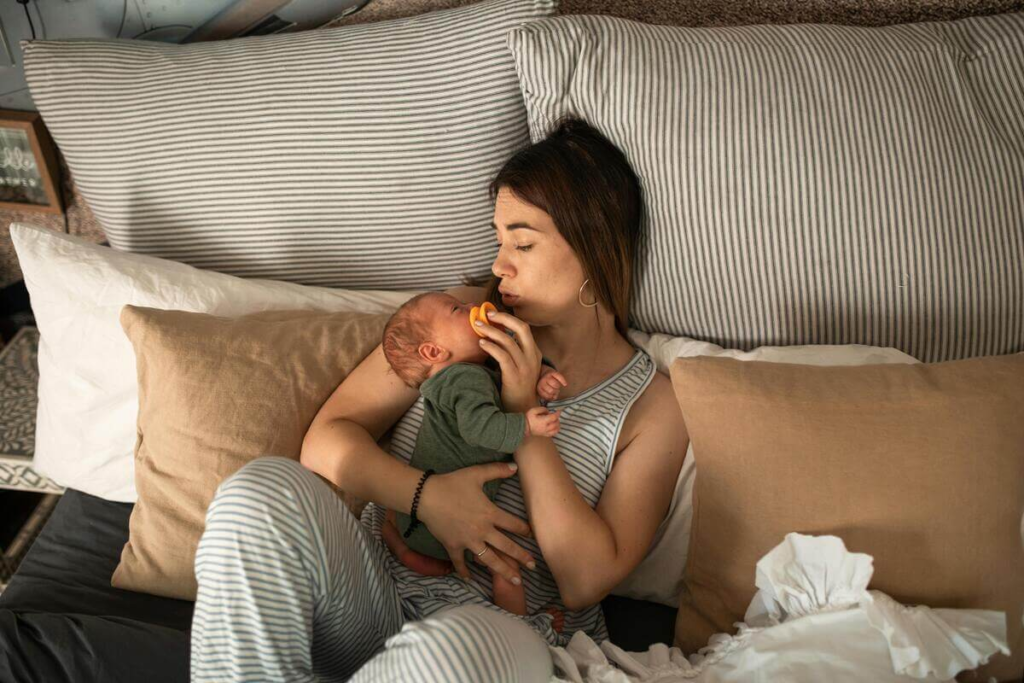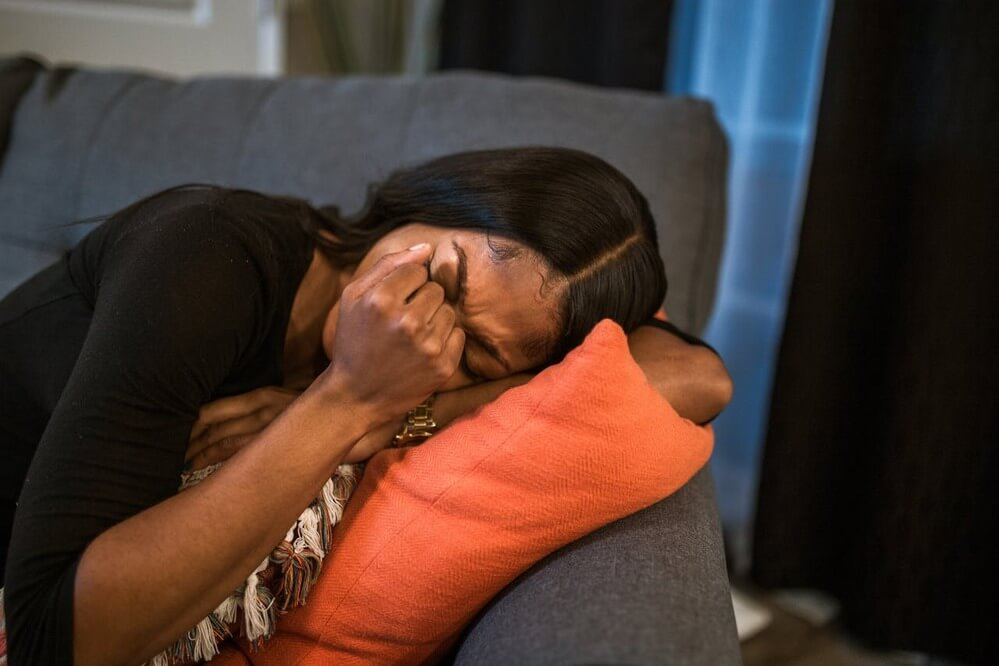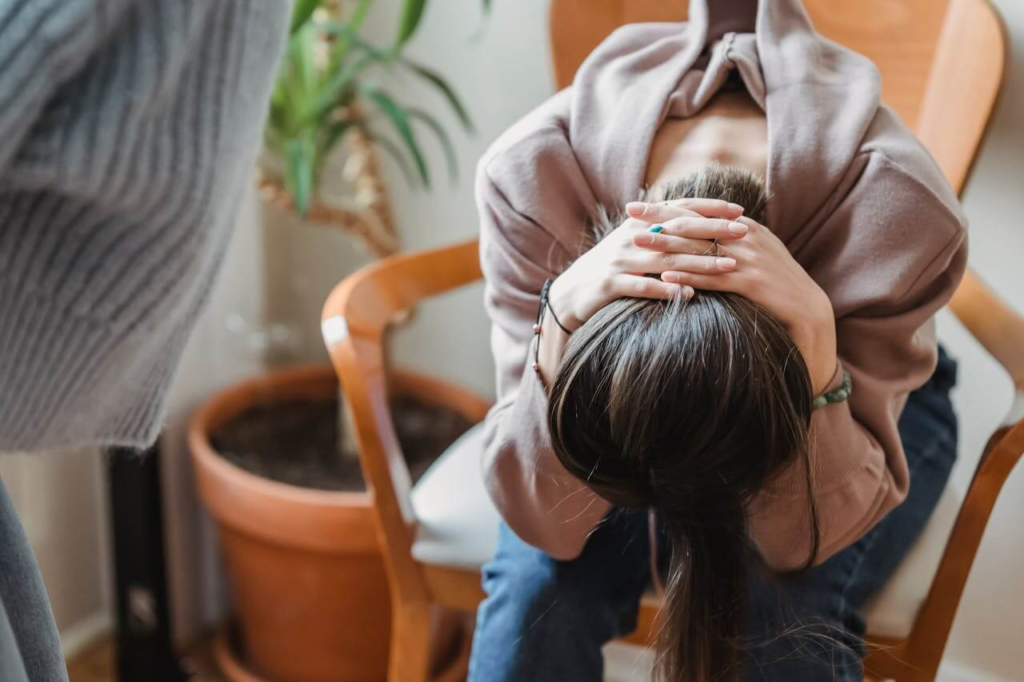
You wake up one morning and something feels off. Your baby is sleeping. The house is quiet. But inside your chest your heart is racing. Before the baby, you handled daily stress without a second thought. Now, even a small change in the day like a missed nap, a delayed feeding or a strange sound from the baby monitor can make your mind spiral.
Many first-time moms quietly wonder the same thing: “Why do I feel like I’m losing control of myself?“
This experience is extremely common after childbirth. This period can feel chaotic as your brain and body adjusts to one of the most intense biological transitions a human being can go through. Hormone levels drop rapidly after birth, sleep disappears, and your brain shifts into a constant state of alertness to protect your baby.
This can make every day life feel unfamiliar, even inside your own mind.
But feeling out of control doesn’t actually mean you are actually losing control. In most cases, it means your nervous system is overwhelmed and trying to adapt to an enormous life change.
Why Do I Feel Like a Different Person Postpartum?
Some mothers describe it this way: “I look at my old photos and feel like that woman was someone else.”
You may feel less patient, more easily irritated, or more anxious about your old routines or things you used to ignore.
You might notice it in small moments. You walk into the kitchen and forget why you came in. The baby cries and your heart starts racing before you even reach the crib. A simple outing suddenly feels overwhelming, so you stay home instead. Moments like this can make you wonder what happened to the calm and confident version of yourself you used to know.
But much of this has a biological explanation.
After birth, hormone levels change faster than almost any other transition the body experiences. At the same time, your brain becomes highly sensitive to danger. That heightened alertness helps mothers protect their babies, but it can also keep your mind on edge at all times.
When your brain is stuck in survival mode, there is very little energy left for things that once felt natural. Things like humor, hobbies, socializing, or even simple relaxation.
While you may wonder if your personality has permanently changed, the truth is that it isn’t. Your core self is still there. Your nervous system is simply under intense pressure while it adjusts to motherhood.
Is Feeling Out of Control a Symptom of Postpartum Anxiety?
Yes and no.
After having a baby, almost every parent feels moments of chaos. Your routine disappears overnight, sleep becomes unpredictable, and your days revolve around a tiny human with constant changing needs. It makes sense that you feel like you’ve lost your grip on daily life. Feeling overwhelmed at times during this period is normal.
You might feel very stressed at noon, but you still feel happy and satisfied when the baby finally settles. You still find small moments to enjoy your child and this new life of motherhood.
But postpartum anxiety feels different.
Instead of coming and going, the worry stays active almost all the time.
You may notice moments like this:
- You check the baby’s breathing every few minutes even though they’re clearly fine
- Your heart beats fast while you’re just sitting still or in bed
- Feeling a constant sense of dread without any triggers
- Resting is impossible because your mind refuses to relax
- Isolation and you avoid going out because the outside world makes you feel more nervous
- Physical signs like shaky hands or a tight chest happen for no reason
Some first-time moms described it as having a voice in their head that’s panicking all the time combined with this constant fear and scary mental images of bad things happening to their baby. Even when nothing is wrong, your body acts like an emergency is happening. That’s when it may worth talking to a healthcare professional about postpartum anxiety symptoms.
If you’re feeling out of control, or struggling with any of the above symptoms and you need something to calm your body quickly, you can try this 5-Minute Anxiety Reset for New Moms. It’s a short grounding routine designed specifically for moments when you feel like you you’re spiraling.
Does Anxiety Change Your Personality?
It’s very common to feel like your personality has changed significantly. You might find that you are now incredibly snappy or obsessed with minor details that you used to ignore. A small mess might suddenly feel overwhelming. A loud noise might make your chest tighten instantly.
This doesn’t mean your personality has disappeared. It usually means your brain is in a state of high alertness. When the nervous system believes it must constantly watch for danger, it spends less energy on social behavior, patience or emotional flexibility.
Simply put: Your brain is prioritizing survival.
Once stress levels settle and your body recovers from the postpartum period, most mothers find that their emotional balance and old self gradually returns.
Why Postpartum Rage Can Happen
Postpartum rage can feeling shocking if you’ve never experienced anger like that before. You might be rocking the baby when suddenly a wave of heat rushes through your body. A small frustration, a loud cry or a messy counter suddenly feels unbearable.
A moment later, you may feel guilty for reacting so strongly.
This kind of anger often happens when your nervous system is exhausted. Broken sleep, hormonal changes and constant responsibility create the perfect conditions for emotional overload. And so, when you feel that surge building, it can help to pause and reset your body.
Putting the baby in the crib and stepping away for a few minutes allows your nervous system to calm down. Small physical actions like splashing water on your neck or wrists, a few slow breaths, a short walk into another room can force your heart rate to slow down.
Postpartum range is not a sign that you are bad mother. This anger is just a sign of an overtaxed system that needs support.
What Causes Postpartum Anxiety?
Postpartum anxiety usually develop from several factors happening at the same time. Hormonal changes after birth is one of those factors affecting the brain’s system that regulates stress and mood.
Additionally, you’re also likely operating on very little sleep. A tired brain cannot filter out scary thoughts and worries as well as a rested one.
Your personal history also influence your risk. You might have a higher risk if you dealt with high stress or anxiety in the past. Major life changes or a difficult birth experience can also trigger this physical response.
However, none of these factors mean you did anything wrong. They simply show how intensely the body and brain are working during early motherhood.
Why Sleep and Food Matter More Than You Think
It sounds simple, but skipping meals and losing sleep can make anxiety worse.
As a first-time mom, you probably forget about yourself while you focus on the baby. But a brain running on empty reacts to stress must faster.
Skipping a meal makes your blood sugar drop fast. This physical drop tells your body to release stress hormones. Consequently, you start experiencing shakiness, irritability and, and racing thoughts.
Being tired works in the same way. A fatigued brain loses the ability to ignore small problems.
Even small steps help. Keeping simple snacks like cheese or protein bars nearby, drinking water, resting whenever possible can make a noticeable difference in how your body handles stress.
Can Postpartum Anxiety Last for Years?
The timeline for feeling better is different for every mother. A lot of women find that the heavy worry starts to fade after a few months, as hormones stabilize and sleep improves. The nervous system therefore begins to settle.
However some mothers continue experiencing anxiety longer. This especially happens if they never receive proper support or treatment.
The good new is that postpartum anxiety responds well to professional care. Recovery is absolutely possible.
When to Call a Professional
You should definitely reach out to a specialist if anxiety begins interfering with everyday life. For example:
- You feel constantly tensed or panicked
- Your thoughts won’t slow down even when the baby is sleeping
- You struggle to eat, rest, or relax
- Fear prevents you from leaving the house or accepting help
Getting professional support is not about being “broken” or failing at motherhood. It’s simply about getting a specialized set of tools to help your nervous system settle.
Getting help early can cut down your recovery time and make postpartum anxiety feel much more manageable.